
- AI Is Changing The Marketing Landscape
AI has rapidly transitioned from a helpful tool to the engine powering strategies, analysis and now even ad and campaign creation – with the likes of Microsoft’s Co-Pilot being able to analyse changes to performance in seconds and Google’s AI Max campaigns personalising ad copy and user experiences. New ‘Product Studios’ are allowing marketers who are lacking a media department to create beautiful images and videos for Product Listings, P.Max and Search Ads with just a few prompts.
Instead of manually managing thousands of variables, marketers are becoming strategic directors—guiding algorithms with better data, clearer goals, and stronger creativity.

2. The Role of the PPC Marketer Is Changing
A major PPC trend is the shift away from manual optimisation. Ten years ago, PPC specialists spent most of their time adjusting bids, ad schedules, and device modifiers based on performance data. Today, Google’s automation handles much of that work, and this trend is accelerating.
The modern PPC role focuses on what algorithms can’t do alone: ensuring flawless tracking, improving data quality, supplying strong customer match lists, and optimising product feeds. Strategic oversight and brand differentiation now matter more than manual tweaks. In 2026, the most successful PPC marketers will be those who excel at feeding automation better data and direction.

3. Search Queries Are Changing
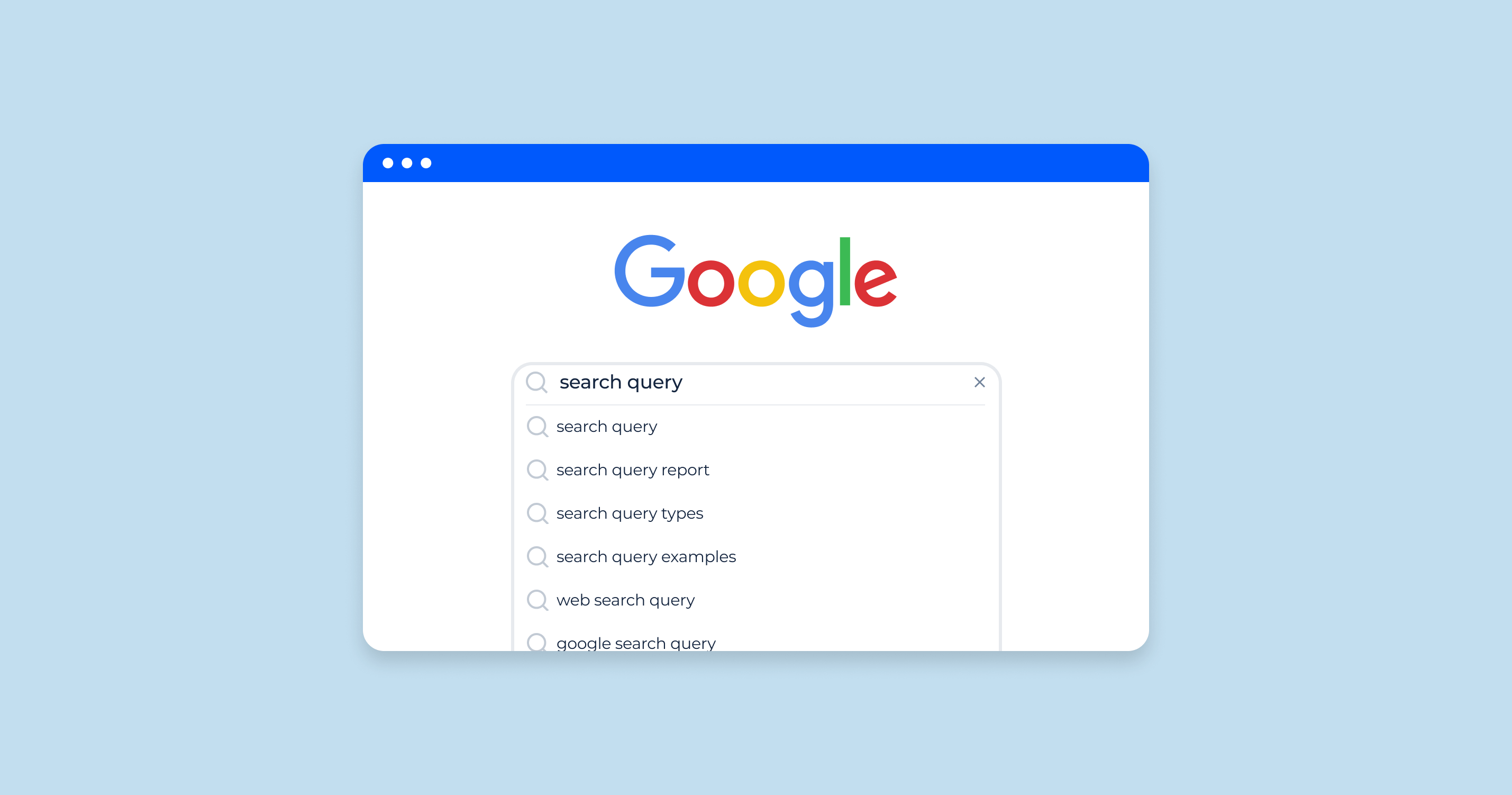
Search behaviour is undergoing its biggest shift since mobile. With ChatGPT-style assistants, voice search, and generative search experiences, users are asking longer, more conversational questions – and expecting instant, contextual answers. Instead of short keywords, search queries often resemble full sentences or multi-step prompts. This is impacting how platforms interpret intent and how ads are triggered. Marketers need to embrace broader match types, richer content feeds, and query-level insights that reflect real human language.
Long-tailed keywords have, as a result of this shift, seen a rise in CPC’s in recent years, with 15% of customer queries being brand new, never seen before by Google.
4. Changes to User Buying Behaviour
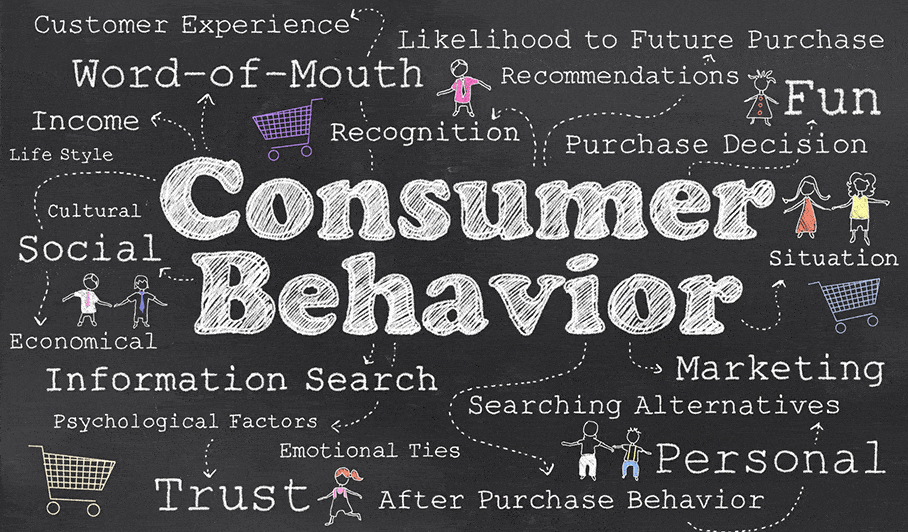
With rising living costs, many consumers – including middle- and upper-class households – are becoming more budget-conscious. The growing popularity of value-driven retail platforms has led a substantial portion of shoppers to seek bargains over brand names.
This shift means even price-sensitive audiences may convert when they perceive good value. For PPC, this creates an opportunity: targeting cost-conscious buyers with compelling offers, budget-friendly messaging, and value propositions – not just premium benefits.
What This Means for 2026:
Marketers who are adaptable, creative and have a deep understanding of audience intent will be rewarded. Success will depend on three core capabilities:
- Feeding AI high-quality data to help platforms learn faster and perform better.
- Using AI to analyse data – it can analyse in seconds performance changes and highlight areas for improvement which would take the average marketer hours.
- Optimising for conversational search by aligning landing pages, ad copy, and product feeds with natural-language queries.
