


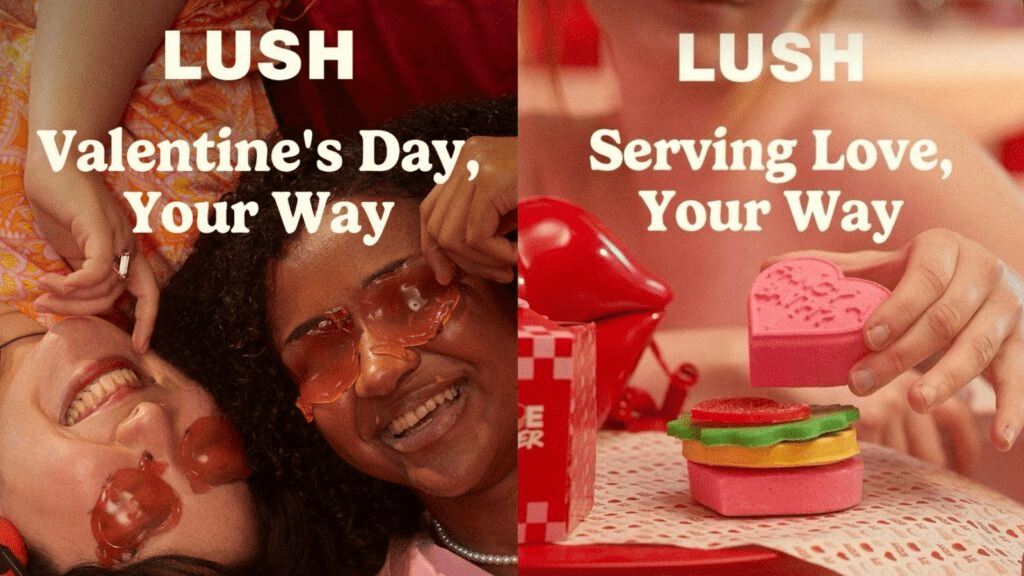
Lush’s 2024 Valentine’s collection
This campaign was effective because it combined strong seasonal storytelling with product innovation and brand consistency. The campaign introduced a limited-edition range of themed products, such as heart-shaped bath items, special fragrances, and gift sets, that tapped into Valentine’s gifting behaviour while staying true to Lush’s core values around ethical sourcing, handmade production, and sensory experience.
The time-limited nature of the range created urgency and collectability, encouraging repeat store visits and social sharing, while the highly visual, tactile products were well-suited to in-store displays and digital content. By blending occasion-based demand with its established brand identity and experiential retail approach, Lush turned a seasonal moment into both a sales driver and a brand engagement opportunity.
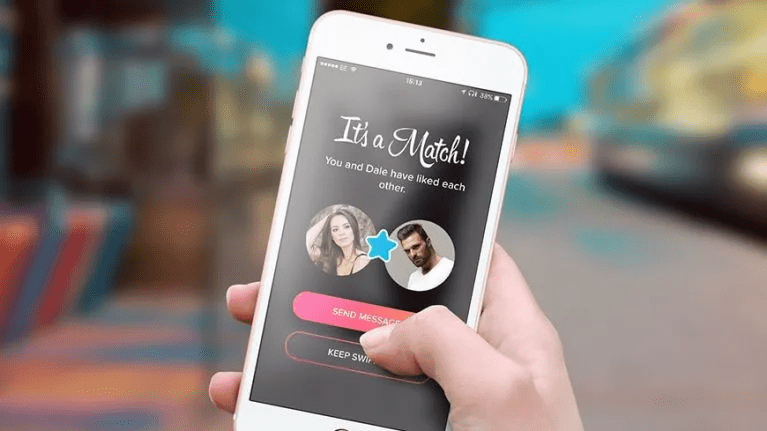
Tinder’s Extra Super Like Valentine’s campaign
This was particularly effective because it combined strong seasonal relevance with smart product strategy. Valentine’s Day is a peak moment for dating intent and app usage, so the promotion met users at exactly the right time with added value that felt contextually appropriate rather than forced.
By giving users a daily temporary bonus to a normally limited premium feature, Tinder increased engagement and repeat app opens while letting free users experience a taste of paid-tier functionality without friction. The mechanic was simple, built on an existing feature, and required no extra steps to claim, reducing drop-off and maximising participation. Importantly, it rewarded users while also reinforcing upgrade pathways, making it both customer-friendly and commercially aligned.
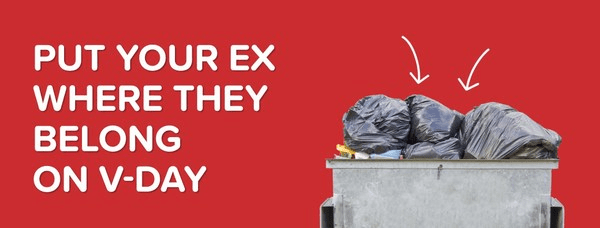
Hotels.com anti-Valentine’s Day
Hotels.com recognised that Valentine’s Day doesn’t resonate with everyone and built a campaign aimed squarely at people who feel overlooked by traditional romance-focused messaging. Its tongue-in-cheek “V-Day Dumpster Stay” promotion invited participants to nominate an ex-partner they thought deserved a trip, symbolically, to a dumpster, while the entrant received a $300 Hotels.com gift card to book a much nicer getaway themselves. The idea reframed the holiday around humour and self-treating rather than a couple-centric celebration.
The campaign landed well because it deliberately moved away from sentimental Valentine’s tropes and instead used irreverent humour and cultural relatability. By acknowledging breakups and dating disappointments, it connected with audiences often ignored in seasonal advertising. The contrast between the joke “prize” for the ex and the real reward for the entrant created a shareable hook, making the campaign feel inclusive, entertaining, and socially engaging rather than overly romantic.
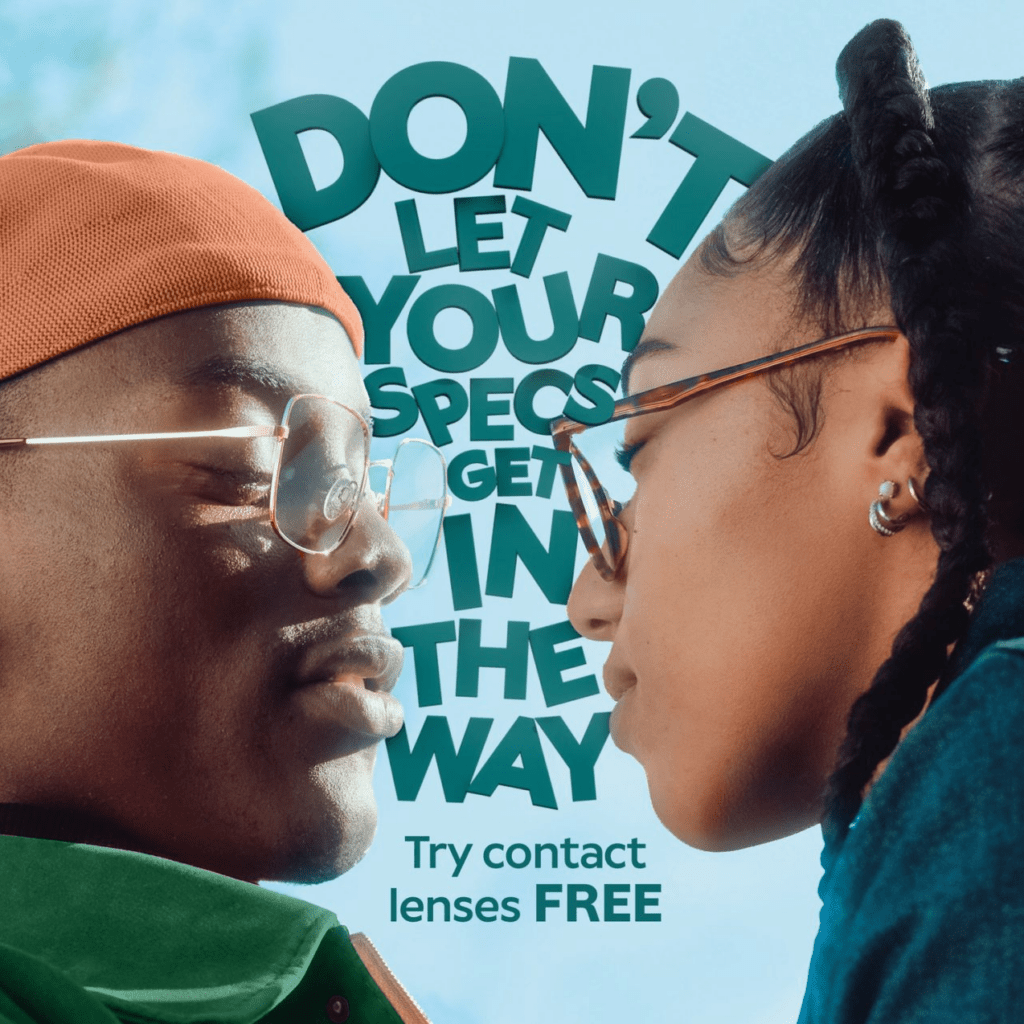
Specsavers’ “Don’t Let Specs Get in the Way”
Who says Valentine’s Day ads have to be serious? Specsavers proved they don’t. Their 2023 campaign, “Kiss Clash,” turned a common everyday struggle into comedic gold, showcasing the awkward realities glasses-wearers face while trying to kiss. Couples bumping spectacles mid-smooch, near misses, and fumbling pecks all made for moments that were as hilarious as they were painfully relatable.
Beyond the laughs, the campaign carried a clear, practical message: “Don’t let your specs get in the way.” It encouraged viewers to take advantage of Specsavers’ free contact lens trial, offering a simple solution to a universal problem for glasses-wearers.
Why It Worked: The campaign struck the perfect balance between humour and relatability, turning a minor inconvenience into a highly shareable scenario. It reminded audiences that everyday annoyances, even during romantic moments, can be solved in a fun, memorable way. Specsavers combined wit with utility, creating an ad that was entertaining, impactful, and completely in line with the brand’s long-standing reputation for clever, audience-focused storytelling.