As Google gets smarter and continues to update its core algorithm, moving into 2026 is less about tactics and more about trust, usefulness and user interaction.
Going into 2026, typical black hat techniques will continue to lose visibility as Google will champion content written for users, not for Google. Long tail keyword queries and conversational style search will likely continue to grow in 2026 as AI transitions into everyday life, but that doesn’t mean AI is what SEO should only be optimising for.
So here are some insights on how to keep SEO performing while search is constantly changing.
1. Helpfulness beats optimisation
In 2025, Google doubled down on its commitment to rewarding content that truly serves its audience. Pages that rely on keyword-stuffed, shallow, or low-value material continue to fade into obscurity, losing precious visibility. The winners are those who clearly understand and satisfy search intent, offering meaningful depth, actionable insights, and clarity that resonates with readers. In other words, it’s no longer enough to simply exist online; your content must genuinely inform, guide, or delight the user, delivering real value every step of the way.
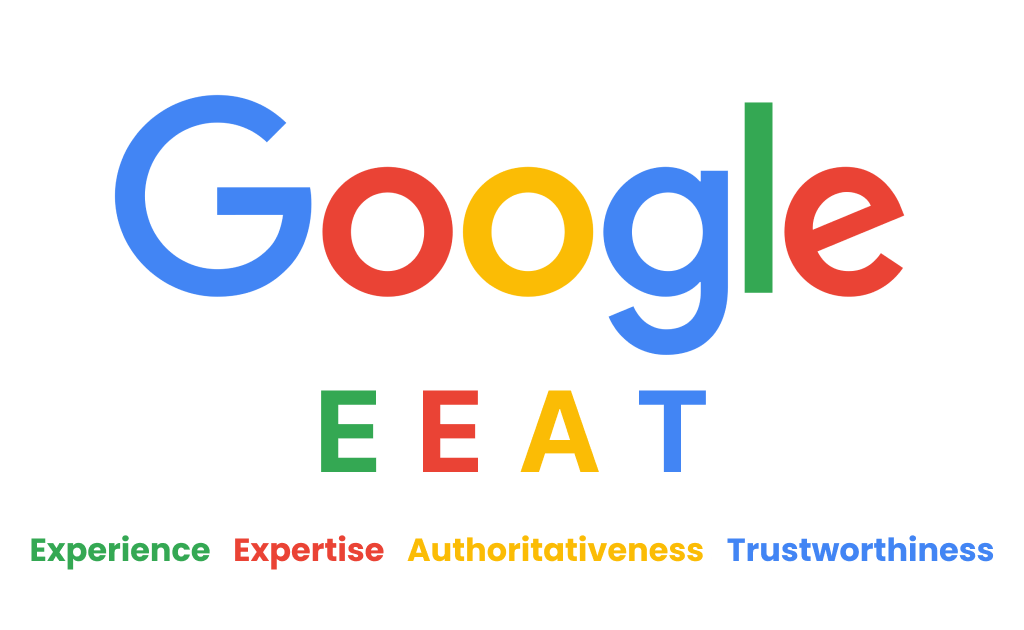
2. E-E-A-T matters more than ever
Experience, Expertise, Authoritativeness, and Trustworthiness are critical, especially for YMYL topics and industries. Showing real-world experience, author credibility, original insights, and accurate sourcing is invaluable. You can start writing quality author profiles if you haven’t already.
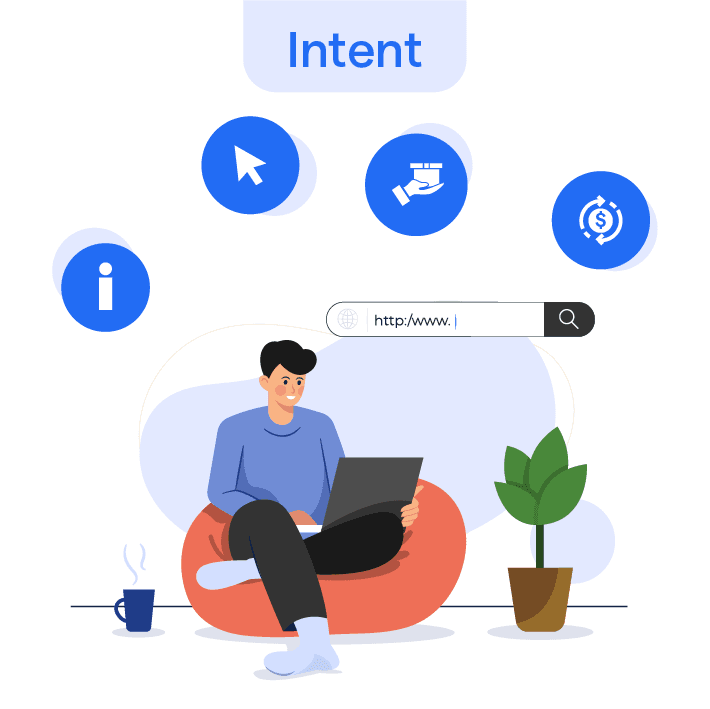
3. Intent-based SEO is crucial
Google understands topics, entities, and relationships better than ever. Content should be built around subject authority and question coverage, not individual keywords. Focus on creating content to solve a problem and answer a question, rather than focusing on KW volume; this should be a support. Long-tail keywords and conversational style content will continue to rise, a good time to review and match intent in your FAQs.
4. Technical SEO still supports everything
Fast load times, seamless mobile usability, intuitive site architecture, and robust Core Web Vitals remain the bedrock of a strong website. While technical issues alone won’t magically boost your search rankings, they can certainly drag them down. A beautifully optimised piece of content is essentially invisible if your website isn’t properly indexed. That’s why ensuring your site is technically sound is non-negotiable — it’s the foundation on which all your SEO efforts are built. Think of it as paving a smooth, sturdy road before inviting visitors to enjoy the scenery.
2025 was the year AI truly embedded itself into search, and everyone wondered what it meant for SEO. The truth? It didn’t replace strategy. It sharpened it.
AI Overviews, generative results and conversational search forced brands and agencies to get clearer about who they are, what they offer, and how they earn trust. We learnt that AI can speed up tasks and spark ideas, but it can’t replace understanding human intent, brand tone or genuine expertise.
The best results we’ve seen this year came from teams that used AI as a tool, not a crutch, combining machine efficiency with human creativity and judgment.
User Intent Is The New Keyword
Keywords still matter, but only if you understand the why behind them.
2025 made it clear that the most successful content strategies weren’t built around single search terms. They were built around journeys. Whether it’s an awareness-stage explainer, a comparison query or a transactional moment, we’ve learnt that true SEO performance comes from mapping content to user intent across the funnel.
As Google and AI-driven search evolve, it’s no longer about ranking for one keyword. It’s about showing up meaningfully at every stage of discovery.
Content audits beat content churn
This year, we saw a real shift. Brands that slowed down and focused on improving what they already had often outperformed those chasing new content volume.
Refreshing top-performing pages, merging thin assets and removing outdated content not only boosted visibility. It improved site health and made performance more sustainable.
We learnt that smart content strategies don’t mean producing more. They mean producing better. 2025 rewarded brands who refined, refreshed and repurposed, not those who simply hit publish the most.
Data-led stories cut through the noise
In 2025, the most successful digital PR campaigns were the ones grounded in credible, useful data. Journalists are flooded with pitches, and the brands that stood out were those who brought something genuinely new to the conversation.
Whether it was proprietary research, search trends or cleverly combined public datasets, data-backed storytelling gave campaigns authority, originality and media value.
We learnt that numbers alone don’t earn coverage. It’s about turning data into stories people actually care about and that’s where strategy meets creativity.
Always be learning
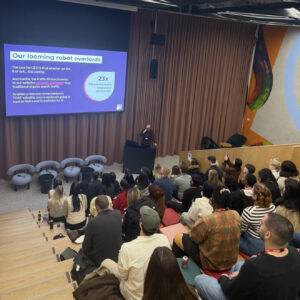
Attending conferences, training sessions and industry events reminded us how fast marketing moves and how important it is to stay curious.
Every talk, panel and hallway conversation brings something new: a perspective, a challenge or a spark of inspiration that shifts how we think. The best marketers are the ones who never assume they’ve got it all figured out.
We learnt that staying ahead in digital isn’t just about following trends. It’s about constantly learning, sharing and pushing the industry forward together.
Every year, brands battle for a spot in the holiday hall of fame by creating Christmas campaigns that tug at our heartstrings, make us laugh, or impress us with their creativity. Some fade quickly, others become iconic cultural moments replayed for years to come.
Here’s a look back at some of the best Christmas campaigns ever produced, and why they’ve earned a place in festive marketing history.
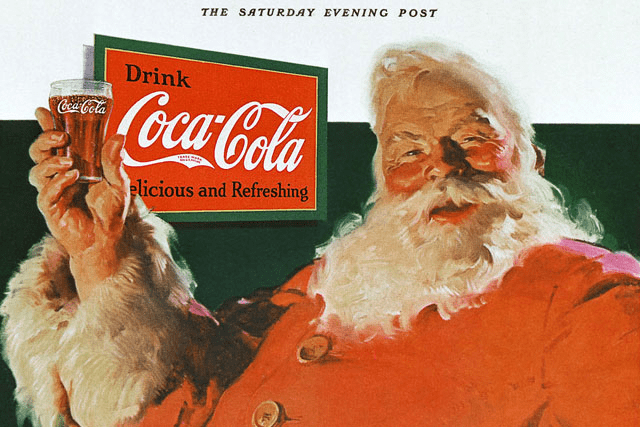
1) Coca-Cola – “Holidays Are Coming” (1995–Present)
The red Coca-Cola Christmas trucks have arguably become more iconic than many traditional holiday symbols. First launched in the mid-90s, the “Holidays Are Coming” campaign created such strong festive nostalgia that people still anticipate its return each year.
Why it worked: A consistent brand message, unforgettable music, and imagery that triggers instant holiday nostalgia.
2. Sainsbury’s – “1914” (2014)
This cinematic ad recreated the legendary Christmas Truce of World War I, in partnership with the Royal British Legion. The emotional power of British and German soldiers sharing food and football on Christmas Eve created one of the most moving ads ever produced.
Why it worked: A beautifully executed retelling of a historical moment that highlights humanity, unity, and peace.
3. Apple – “Misunderstood” (2013)
Apple took a relatable and modern approach with a story about a teenager who appears glued to his phone instead of engaging with family festivities, only to reveal he was secretly creating a heartfelt holiday video for them.
Why it worked: Modern storytelling that flipped expectations and reinforced Apple’s message about technology bringing people together.
4. Marks & Spencer – “Mrs. Claus” (2016)
Marks & Spencer’s 2016 “Mrs Claus” campaign reimagined the often-overlooked Christmas figure as a modern, stylish, and capable heroine. Played by Janet McTeer, Mrs Claus secretly steps in to help a young boy make amends with his sister by delivering the perfect gift on Christmas Eve. With cinematic visuals, warmth, and a touch of humour, the ad offered a fresh perspective on festive storytelling. It stood out by celebrating empathy, family bonds, and subtle female empowerment, quickly becoming one of M&S’s most memorable holiday campaigns.
Why it worked: A fresh twist on traditional Christmas characters combined with humour, warmth, and strong female representation.
5. John Lewis – “The Bear and the Hare” (2013)
No list of iconic Christmas campaigns is complete without the UK retailer John Lewis. While they’ve delivered several brilliant holiday ads, “The Bear and the Hare” stands out as a masterpiece. Using hand-drawn animation combined with 3D sets, the story of a hare giving his best friend, the hibernating bear, a chance to experience Christmas melted hearts everywhere. Add Lily Allen’s emotional cover of “Somewhere Only We Know,” and you get a campaign that set a whole new standard for holiday storytelling.
Why it worked: Emotional storytelling, cinematic production, and a narrative that celebrates friendship and giving.
The point of writing SEO optimised content is to write content that is genuinely useful to the user. Google ranks content that it deems the most useful and relevant to users’ search queries. Meta
I generally follow the rule of ‘Primary Keyword Target | Brand Name’ to frontload your primary keyword focus point, then your meta description wants to look like a shop window, for example:
“Shop commercial refrigerated display cabinets at XXX, perfect for showcasing and preserving perishable goods in any professional food service space.”
As a general rule, page titles should be 50-60 characters, and meta descriptions 150-160 characters, but I wouldn’t obsess over these guidelines. You’re better off writing for purpose than for strict character limits.
Make sure each page has a unique, well-targeted page title and meta description. Google may opt to provide its own meta description, but not your meta title (so get that part right).
Search Intent
One of the most important things to consider when writing SEO content is search intent.
Search intent is a user’s main goal when they enter a query into a search engine, which could be to find information about a specific topic, to visit a particular webpage, or to make a purchase.
Types of search intent:
Informational: The user wants to learn about something
Navigational: The user is trying to find a specific page or website
Commercial: The user is researching options before making a purchase
Transactional: The user wants to take an action, like completing a purchase
When considering intent, you should think about the kind of page the user would want to land on:
Blog posts
Product pages
Category pages
Landing pages
Tools
If you were searching for ‘best commercial fridges’, you’d likely want to land on a blog page with informative, perhaps comparative content, or in a ‘top ten’ listicle format.
If you were searching ‘buy commercial fridges online’, you wouldn’t benefit from a page of lengthy content; you’re looking to make a purchase. These pages should focus on a smooth buying process; make it easy to purchase, and ensure high-quality product information.
YMYL & EEAT
YMYL (Your Money Your Life): a term used by Google to categorise web pages that might potentially impact a person’s happiness, health, financial stability, or safety. These pages are held to a higher standard due to the potential harm that inaccurate or misleading information could cause.
This is where EEAT (Experience, Expertise, Authoritativeness & Trustworthiness) comes in, a framework that Google uses to assess the quality of content and websites. It’s important for achieving higher rankings in search results, especially for topics related to YMYL.
Internal / External Linking
Internal and external links are crucial for SEO because they enhance website navigation, improve user experience and boost a site’s authority and credibility in the eyes of search engines.
Internal links help users and search engines navigate a website and build topical authority.
External links provide valuable context and demonstrate expertise (in the context of EEAT).
Competitors
In SEO, competitors are websites that rank high in search engine results pages (SERPs) for the same keywords as your target page. They compete with you for visibility and organic traffic from search engines.
These competitors might not always be your direct business rivals, but rather any website that appears in the search results when users search for terms relevant to your content.
Keywords
Keywords are search queries that users are inputting into Google. We use them to inform our content and determine search intent. We want to avoid ‘keyword stuffing’ and only use them naturally in the content we write.
Search engines are able to understand semantics now, so the process is a little more nuanced.
Duplicate Content
Duplicate content negatively impacts SEO because it confuses search engines. If you have two very similar pages ranking for the same keywords, Google will struggle to determine which page to prioritise, potentially favouring a less important page, or neither at all.
This is referred to as ‘cannibalisation’, which refers to a situation where multiple pages on a website target the same or very similar keywords, causing them to compete against each other in the search engine results page (SERP).
This is why it’s important to have clearly targeted pages and to link between them to show their relationship.
Formatting
SEO formatting refers to structuring and presenting website content in a way that helps search engines understand it, ultimately improving its visibility and ranking in search results.
Arranged content helps Google and users understand the content. In HTML, <h1>, <h2>, and <h3> tags are used to define the structure and hierarchy of headings on a webpage. They help organise content and make it easier for both users and search engines to understand the page’s structure and content.
Here’s a breakdown of their roles:
H1: The main heading or title of the page. It’s the most important heading and should be used once per page to summarise the main topic.
H2: Subheadings that divide the content into sections, supporting the main <h1> heading.
H3: Used for subheadings under <h2> headings, providing further granularity and structure. Often listicle or bullet points.
~
Effective SEO content writing is ultimately about clarity, purpose and user value. When you focus on answering real questions, aligning with intent and presenting information in a way that’s easy to understand and navigate, search performance naturally follows.
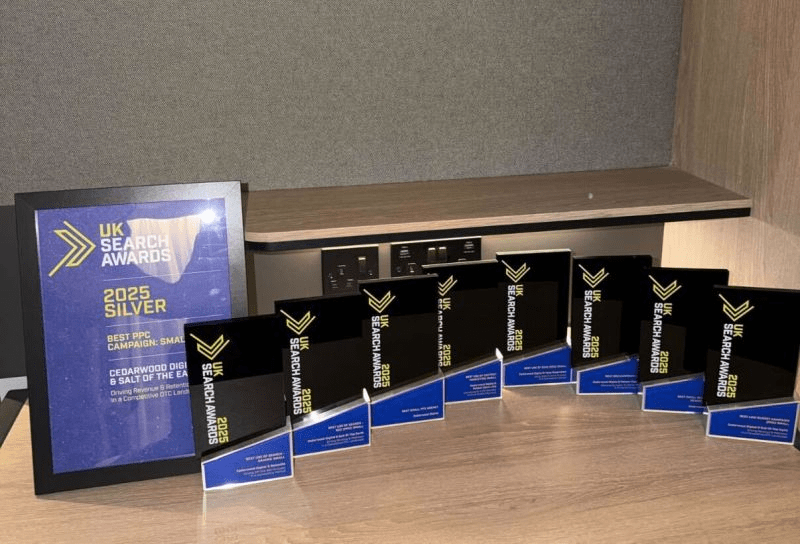
Last night we won EIGHT UK Search Awards, including two agency awards ✨
We took home:
🌟 Best Integrated Agency 🌟 Best PPC Agency 🌟 Best SEO Campaign – Patient Claim Line 🌟 Best Content Marketing Campaign – Patient Claim Line 🌟 Best Use Of Search (Gaming) 🌟 Best Use Of Data – Vape Superstore 🌟 Best B2C PPC Campaign – Salt Of The Earth 🌟 Best Low Budget Campaign – Salt Of The Earth
… and a silver for 🌟 Best PPC Campaign – Salt Of The Earth
The awards are a testament to another incredibly solid year for Cedarwood, in fact, our strongest yet, and they wouldn’t have been possible without the continued hard work, dedication, and passion of our fantastic team. Every member of the team has played a pivotal role in pushing the boundaries of what we can achieve, and we are immensely grateful for their commitment. We also want to extend a heartfelt thank you to our brilliant clients for their unwavering support throughout the year. We are truly fortunate to partner with such exceptional teams who inspire us, challenge us, and continually encourage us to deliver our very best work.
This year, 2025, has also represented a major step forward in our commitment to giving back. From our ongoing work with Ecologi to support climate change initiatives, to the continued growth of Manchester DM, our bi-monthly digital marketing networking event, we’ve invested time and energy into making a positive impact beyond our day-to-day operations. It has also been a privilege to sponsor fantastic community-focused events such as Women in Tech SEO and the SEO for Paws Charity event. Being able to share our success in ways that uplift and support the wider community has been incredibly rewarding.
We would also like to express our appreciation to all of the judges who dedicated countless hours to reviewing entries and providing thoughtful, expert evaluations. Their commitment ensures the awards remain a benchmark of excellence within the industry. And finally, a huge thank you to the brilliant team at Don’t Panic Events, who work tirelessly behind the scenes to deliver such outstanding, inspiring events year after year. Their efforts help bring the industry together and make celebrations like this possible.
Since November 2022 and the release of Chat GPT to the public, talk (and use) of AI has exploded.
Google in particular has used AI to support growth on a Google Ads account for a decade; from its systems analysing millions of signals to determine whether an ad is right for a user at each search auction to bidding strategies determining which bids to target users at, it’s nothing new to your average Paid Searcher.
But just because AI and automations aren’t new doesn’t mean that how they’re being used isn’t evolving – because it is, faster than ever. How marketers are being pushed to rethink long-standing strategies and adapt to a more dynamic advertising ecosystem is becoming ever more the norm.
AI Is Changing The Marketing Landscape
AI has rapidly transitioned from a helpful tool to the engine powering strategies, analysis and now even ad and campaign creation – with the likes of Microsoft’s Co-Pilot being able to analyse changes to performance in seconds and Google’s AI Max campaigns personalising ad copy and user experiences. New ‘Product Studios’ are allowing marketers who are lacking a media department to create beautiful images and videos for Product Listings, P.Max and Search Ads with just a few prompts.
Instead of manually managing thousands of variables, marketers are becoming strategic directors—guiding algorithms with better data, clearer goals, and stronger creativity.
2. The Role of the PPC Marketer Is Changing
A major PPC trend is the shift away from manual optimisation. Ten years ago, PPC specialists spent most of their time adjusting bids, ad schedules, and device modifiers based on performance data. Today, Google’s automation handles much of that work, and this trend is accelerating.
The modern PPC role focuses on what algorithms can’t do alone: ensuring flawless tracking, improving data quality, supplying strong customer match lists, and optimising product feeds. Strategic oversight and brand differentiation now matter more than manual tweaks. In 2026, the most successful PPC marketers will be those who excel at feeding automation better data and direction.
3. Search Queries Are Changing Search behaviour is undergoing its biggest shift since mobile. With ChatGPT-style assistants, voice search, and generative search experiences, users are asking longer, more conversational questions – and expecting instant, contextual answers. Instead of short keywords, search queries often resemble full sentences or multi-step prompts. This is impacting how platforms interpret intent and how ads are triggered. Marketers need to embrace broader match types, richer content feeds, and query-level insights that reflect real human language.
Long-tailed keywords have, as a result of this shift, seen a rise in CPC’s in recent years, with 15% of customer queries being brand new, never seen before by Google.
4. Changes to User Buying Behaviour
With rising living costs, many consumers – including middle- and upper-class households – are becoming more budget-conscious. The growing popularity of value-driven retail platforms has led a substantial portion of shoppers to seek bargains over brand names.
This shift means even price-sensitive audiences may convert when they perceive good value. For PPC, this creates an opportunity: targeting cost-conscious buyers with compelling offers, budget-friendly messaging, and value propositions – not just premium benefits.
What This Means for 2026:
Marketers who are adaptable, creative and have a deep understanding of audience intent will be rewarded. Success will depend on three core capabilities:
Feeding AI high-quality data to help platforms learn faster and perform better.
Using AI to analyse data – it can analyse in seconds performance changes and highlight areas for improvement which would take the average marketer hours.
Optimising for conversational search by aligning landing pages, ad copy, and product feeds with natural-language queries.
Working in a B2B environment requires a different mindset from traditional consumer marketing. Decisions take longer, multiple stakeholders get involved, and the path to conversion is rarely linear. To succeed, your marketing strategy needs to be precise, value-driven, and built around the needs of real businesses, not just individual buyers. In this blog, we’ll break down three essential tips that can help you generate stronger leads, create more meaningful engagements, and ultimately drive higher-quality conversions in any B2B setting. Let’s dive in.
Create Relevant, Conversion-Focused Landing Pages
Make sure your landing page matches the tone and message of your ad. That way, visitors feel like they’re in the right place the moment they click through.
Focus on what really matters to your audience: the business benefits, ROI, and your unique selling points. Show them real proof of your value with testimonials, case studies, or even client logos to build credibility and trust.
Use clear, action-driven CTAs like “Schedule a Demo” or “Get a Quote.” Keep your forms short and simple, but include a few key qualifying questions (like company size or basic criteria) to help ensure you’re getting the right leads.
Track Quality Leads & Support Long B2B Cycles
B2B sales cycles are longer than B2C and involve multiple decision-makers, so focus on lead quality over immediate sales.
Integrate CRM data and offline conversions into Google Ads to track qualified leads and opportunities.
This ensures campaigns optimise for high-value leads and provide accurate performance data.
High-Intent Audience Targeting & Ad Scheduling
Reach people by job title, industry (e.g., healthcare, tech, finance), company size, and location (region, country, city) to ensure the right businesses see your ads.
Use ad scheduling to reduce spend on weekends or outside business hours if target companies operate mainly on weekdays.
This maximises efficiency and minimises budget waste.
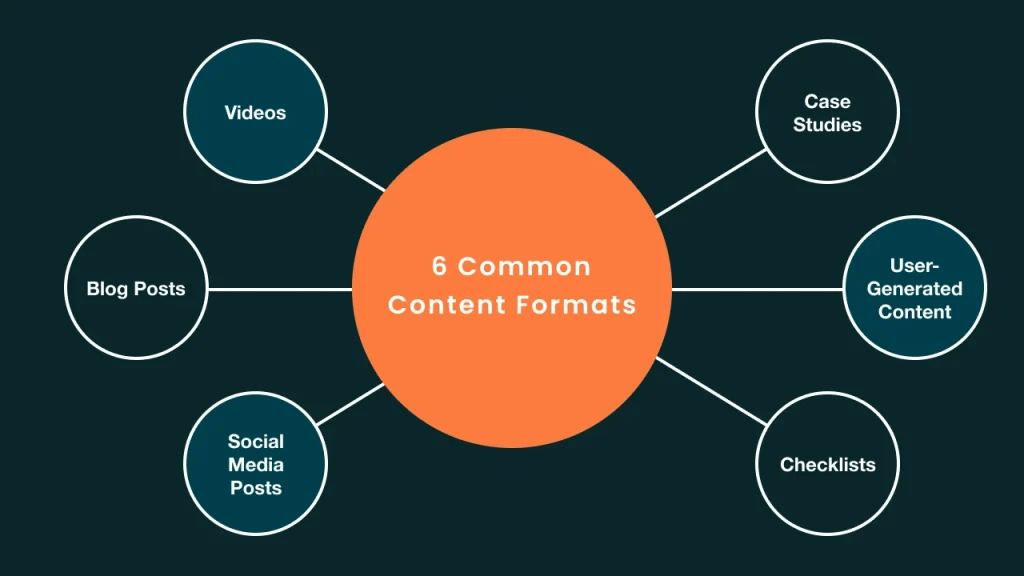
Creating content takes time, so it makes sense to get the most mileage out of each piece. One well-crafted blog, video, guide, or report can be broken down into several different marketing assets. Here’s how to do it, step by step.
1. Pick a pillar piece
Start with something substantial: a blog, video, webinar, or guide that’s packed with insights your target audience will care about and is relevant to your service/product. This is your main piece, the one you’ll repurpose into smaller formats.
2. Social media assets
From your pillar piece, you can create:
Quote cards with key stats or tips
Carousel posts breaking down step-by-step advice
Short video clips highlighting key points
“Did you know?” posts with interesting facts
Polls or questions inspired by the content
Each post links back to the main piece (the most detailed one), driving traffic and engagement.
3. Visual assets
Turn insights into visual formats:
Infographics or charts summarising data
Slide decks for LinkedIn or presentations
Custom graphics for Instagram or Twitter
Visuals are shareable, easy to digest, and help your content reach more people.
4. PR and thought leadership
Extract data or insights to create press angles or thought leadership pieces. Journalists love stats, trends, or expert commentary; your pillar content can supply all three.
5. Extra Formats
Think creatively:
Turn blogs into podcasts or audio snippets
Create downloadable checklists or templates
Build mini-guides or educational content from sections of the pillar piece
By breaking down one piece of content across these channels, you can easily create several distinct assets. Each asset reinforces the original message, reaches a different audience, and increases your content ROI.
Repurposing isn’t about working harder; it’s about working smarter. One strong piece of content can fuel your marketing for weeks, giving you consistent, high-quality material without having to start from scratch every time.
AI has completely reshaped how we think about paid media. Every platform from Google Ads to Meta is pushing automation, machine learning, and “smart” campaign types.
However, while AI has brought significant progress to paid media, many new tools still overpromise and underdeliver. The challenge is knowing which ones actually drive performance.
Here’s a clear look at what’s working in PPC right now and what’s still more hype than help.
The Hype: “AI Can Run Your Campaigns for You”
One of the most common misconceptions about AI in advertising is that it can handle everything automatically. In theory, that sounds great, fewer manual tasks and more efficiency. But in practice, it’s rarely that simple.
AI is powerful, but it relies on the data and structure you give it. If conversion tracking is incomplete or campaign goals aren’t clear, automation will optimise in the wrong direction.
The most effective marketers use AI as a supporting system, not a replacement for strategic oversight.
Automated bidding has matured significantly. Platforms like Google’s Smart Bidding, Meta’s Advantage+, and Microsoft’s Automated Rules now make real-time adjustments to reach CPA or ROAS targets more effectively than most manual approaches.
However, performance depends heavily on data quality. To get the best results:
Use conversion-based tracking, ideally with offline conversions or value-based signals.
Maintain enough conversion volume (around 30 per campaign per month) to help AI learn patterns.
Set focused objectives, avoid blending awareness and conversion goals in the same campaign.
When data and intent are clear, automated bidding can consistently outperform manual optimisation.
What’s Working: Predictive Audiences & First-Party Data
With third-party cookies disappearing, audience targeting is increasingly powered by AI. Tools like Google’s Demand Gen campaigns and Meta’s predictive audiences use behavioural and contextual signals to find users most likely to convert.
In 2025, the advertisers seeing the strongest results are those who:
Integrate first-party CRM and email data into ad platforms.
Use AI-driven audience expansion carefully, focusing on high-value lookalikes.
Continuously test predictive audiences that adapt to performance data in real time.
AI can’t replace audience strategy, but it can help marketers uncover intent signals they couldn’t see before.
The Hype: “AI Writes Better Ads Than You Can”
AI writing tools have become mainstream. ChatGPT, Jasper, and Gemini can all generate headlines, descriptions, and even landing page copy in seconds.
These tools are excellent for speeding up brainstorming and testing variations, but they aren’t perfect substitutes for human creativity. AI tends to produce safe, generic copy that often lacks brand personality or emotional pull.
The best approach is a hybrid one:
Use AI to generate starting points or testable variations.
Refine messaging based on customer insight and voice.
Keep running structured A/B tests to identify what resonates.
AI can help you move faster, but your audience will still respond to authenticity.
What’s Working: Creative Testing
Creative testing is one area where AI truly delivers measurable benefits. Modern ad platforms can now analyse engagement patterns across hundreds of asset combinations and automatically shift budget toward the top performers.
Dynamic creative optimisation, responsive search ads, and auto-generated asset tests are particularly effective when advertisers provide diverse inputs, including multiple headlines, visuals, and calls-to-action.
The more high-quality options you feed the system, the faster it can learn which creative elements drive conversions.
Looking Ahead: AI’s Next Steps in PPC
AI innovation in PPC isn’t slowing down. Over the next year, expect to see:
Cross-channel learning, systems that share data between Google, Meta, and CRM platforms.
Predictive budgeting, algorithms forecasting spend efficiency by audience or device.
Conversational campaign creation, tools that let marketers build ads directly through chat interfaces.
Each of these advancements has potential, but their effectiveness will still depend on the fundamentals: data quality, strategy, and human oversight.
Final Thoughts
AI has become an integral part of PPC, but it’s not a replacement for experienced marketers. Automation can streamline workflows, surface insights, and improve efficiency but it can’t define goals or interpret context.
The most successful advertisers in 2025 are using AI strategically: leveraging automation for what it does best while staying closely involved in creative direction, data accuracy, and campaign structure.
AI doesn’t eliminate the need for expertise; it makes expertise even more valuable.
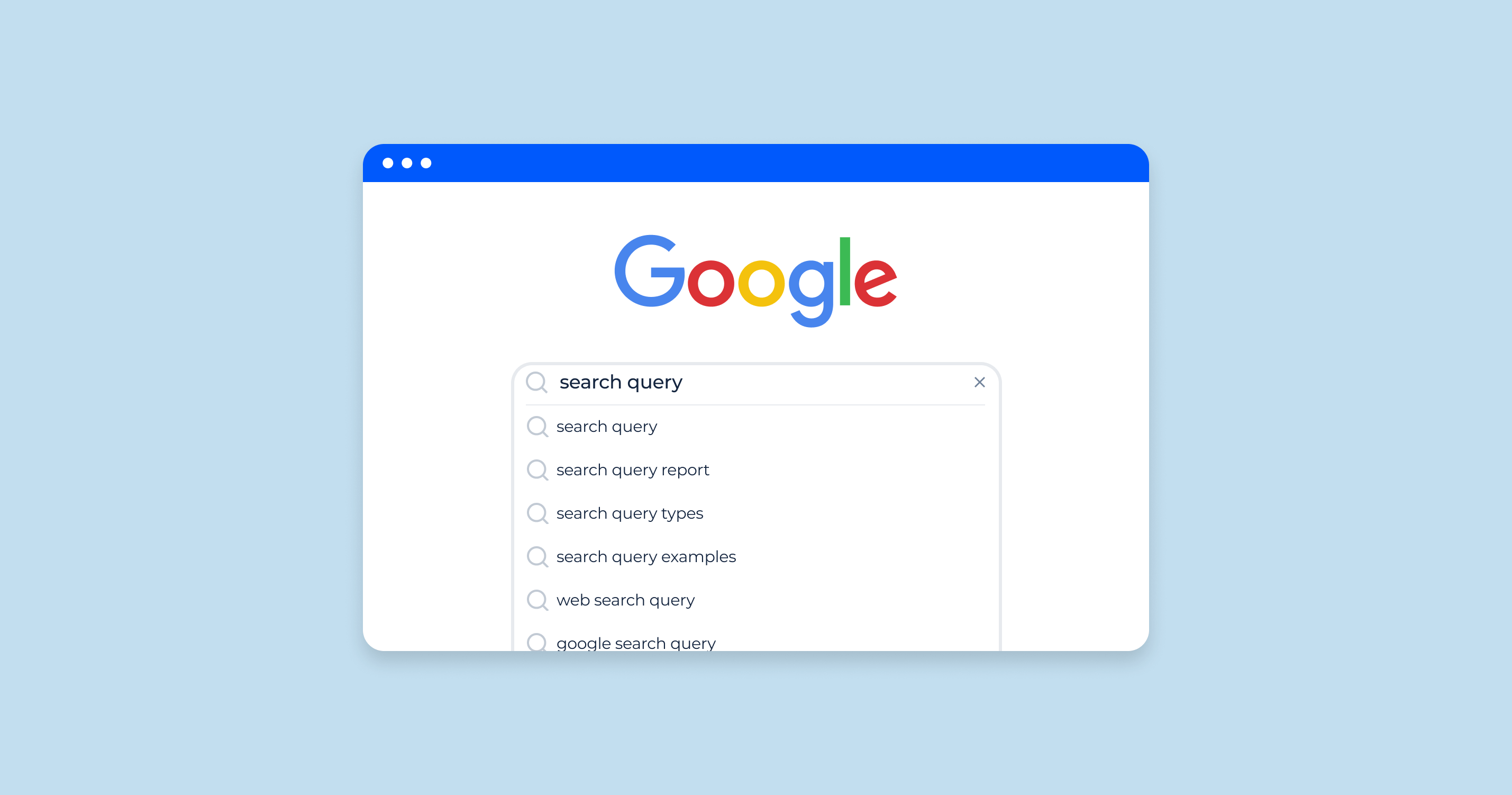
Google’s new &num=100 update, rolled out in mid-September 2025, is having a substantial impact on SEO tracking tools, data accuracy, and reporting metrics. In short, Google has disabled the function that previously allowed users and crawlers to view up to 100 organic results on a single search page.
With this change, both marketers and SEO platforms are now limited to viewing only the top 10 results per query. As a result, tracking tools can no longer record rankings beyond the first page of search results, ultimately reshaping how keyword performance and visibility are reported.
SEO professionals are already noticing significant data fluctuations across major platforms:
Ahrefs – Keywords ranking beyond position 10 will no longer be tracked accurately. These terms will now appear as “100+” or “Lost,” leading to sudden drops in reported keyword counts.
Google Search Console (GSC) – Many users are seeing sharp decreases in impressions, not because of an actual performance drop, but because data from deeper results can no longer be collected or displayed.
What This Means Moving Forward:
While the update is inconvenient, it’s crucial to understand that the drop in reported data doesn’t reflect a real decline in traffic or rankings. Your pages still exist in those positions; it’s just that the tracking visibility has simply been restricted.
This update will require a shift in how we analyse and communicate SEO performance. Reports and dashboards may appear to show declines post-September 2025, so it’s vital to set clear expectations with clients and stakeholders.
Moving forward, greater emphasis will be placed on the top 1-10 keyword positions, traffic, and conversions. SEOs should review the tools and metrics they rely on, refine reporting structures, and focus on what truly drives value, measurable visibility and meaningful performance.
Written by one of our Paid Media Executives, Arabella Manson.
I have recently launched a campaign in the British Mountaineering Council on their Meta account. This campaign is for their rock climbing insurance, which is one of 5 insurance policies that they are currently promoting. The campaign is using a combination of still and video ads, all with the same image content, and then ad copy highlighting the use cases and benefits of this policy.
The interesting part of this campaign is that we are doing an A/B test within Meta to test the efficacy of the landing pages. One half of the campaign is using the old, outdated page, which does not fit the theme of the broader BMC site, but has been the main page until now, while the other is using a new, updated page that aligns with the broader BMC image. The hypothesis behind this test is that if the current, outdated landing page is replaced with a newly designed landing page that is faster, more visually engaging, and optimised for conversions, then users will be more likely to convert, resulting in a higher conversion rate and lower costs per acquisition compared to the old page.
Because the ads across both sides of the test are identical, we will not be comparing views, clicks, reach, or frequency, but instead focusing on conversion rate, cost per conversion, landing page views, and cost per landing page view. Secondary metrics we will also be monitoring are page speed and stability, traffic mix parity, device usage, and cart abandonment.
This campaign initially launched on the 20th of September, and will be running until the 20th of October, so we will have a month’s data to analyse. Initial data is surprisingly in favour of the older landing page, with 3 conversions, while the new landing page has only had 1. However, a key factor to consider throughout this test is that Meta’s ad delivery system can add a lot of noise, and tests can never be truly clean. Elements which can contribute to muddying the waters are one variant leaving the ads learning phase sooner than the other, uneven spend allocation, contextual auction dynamics, audience overlap, and even attribution windows and issues.
Ultimately, once this experiment has run its course, I will present my findings to the client, with the caveat that there are other variables which can influence the results, and with that, the client will use this data to decide internally which landing pages to continue with.”


![[blog]_[lessons weve learnt in 2025]_[Blog Picture]](https://cedarwood.digital/wp-content/uploads/2025/10/things-weve-learnt--900x506.png)




![[blog]_[Best Christmas Campaigns Over The Years]_[blog picture]](https://cedarwood.digital/wp-content/uploads/2025/12/Copy-of-Copy-of-Copy-of-Copy-of-blog-sneak-peak-template-1-900x506.png)





![[blog]_[SEO Content Writing - Stripped Back to the Basics]_[blog picture]](https://cedarwood.digital/wp-content/uploads/2025/12/Copy-of-Copy-of-Copy-of-Copy-of-blog-sneak-peak-template-900x506.png)

![[blog]_[Last night's UK Search Awards Wins!]_[blog picture]](https://cedarwood.digital/wp-content/uploads/2025/12/Copy-of-Copy-of-industry-insights-template-1-900x506.png)


![[blog]_[PPC Trends: AI, Automation & The New Way Of Working.]_[blog picture]](https://cedarwood.digital/wp-content/uploads/2025/12/Copy-of-Copy-of-Copy-of-blog-sneak-peak-template-900x506.png)



![[blog]_[mdm #9]_[blog picture]](https://cedarwood.digital/wp-content/uploads/2025/12/Copy-of-Copy-of-blog-sneak-peak-template-1-900x506.png)



![[blog]_[3 tips for working in b2b environments]_[Blog Picture]](https://cedarwood.digital/wp-content/uploads/2025/11/Copy-of-blog-sneak-peak-template-900x506.png)
![[blog]_[How to Turn One Piece of Content into Several Marketing Assets]_[Blog Picture]](https://cedarwood.digital/wp-content/uploads/2025/11/Copy-of-Copy-of-wpimage-id13321width562pxheightautosizeSluglargelinkDestinationnone-figure-classwp-block-image-size-large-is-resizedimg-srchttpscedarwood.digitalwp-contentuploads202-2-900x506.png)



![[blog]_[AI in PPC: What’s Hype and What’s Actually Working in 2025.]_[Blog Picture]](https://cedarwood.digital/wp-content/uploads/2025/11/Copy-of-Copy-of-wpimage-id13321width562pxheightautosizeSluglargelinkDestinationnone-figure-classwp-block-image-size-large-is-resizedimg-srchttpscedarwood.digitalwp-contentuploads202-900x506.png)
![[blog]_[Google’s &num=100 Update for SEO]_[Blog Picture]](https://cedarwood.digital/wp-content/uploads/2025/10/Copy-of-wpimage-id13321width562pxheightautosizeSluglargelinkDestinationnone-figure-classwp-block-image-size-large-is-resizedimg-srchttpscedarwood.digitalwp-contentuploads202507Image-900x506.png)
![[blog]_[One of our recent Paid Media campaigns!]_[Blog picture]](https://cedarwood.digital/wp-content/uploads/2025/10/Copy-of-blog-sneak-peak-template-1-900x506.png)